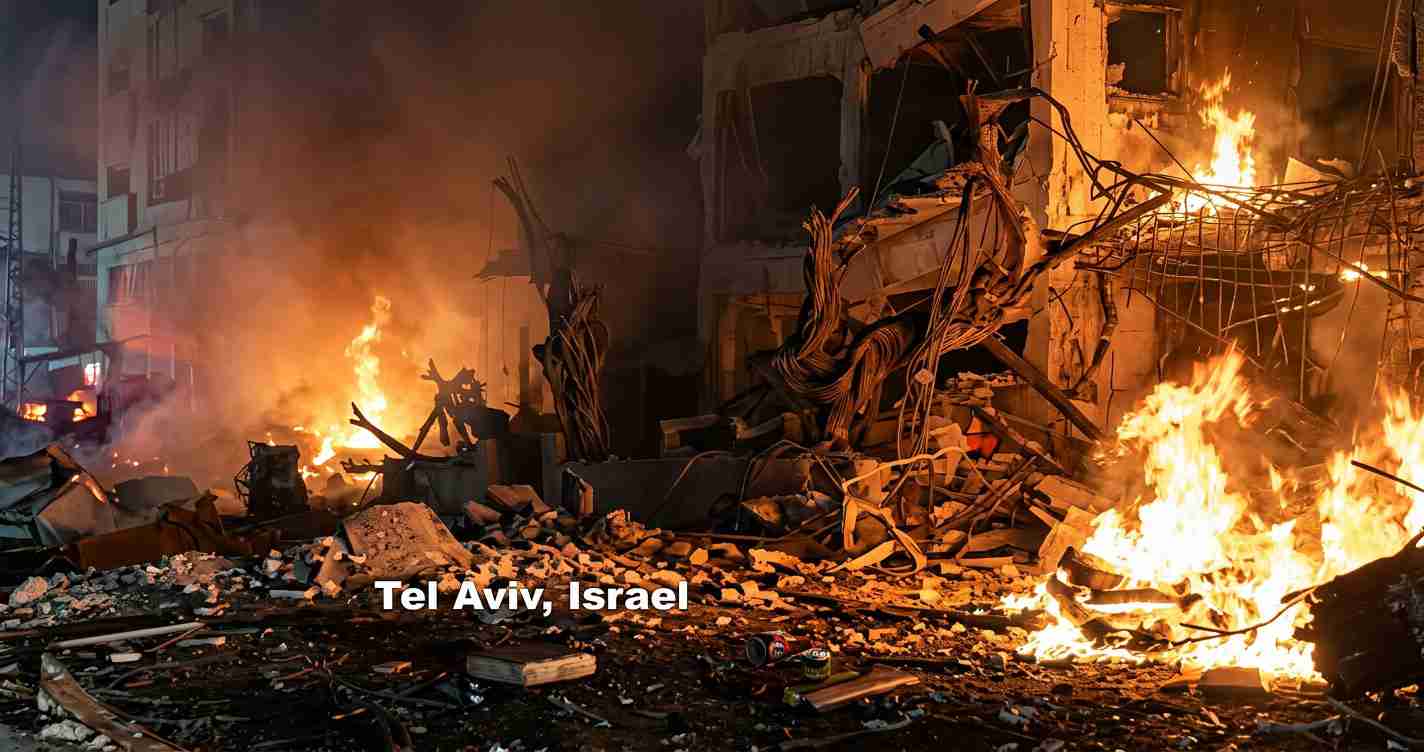
Hezbollah, Iran launch synchronized assaults on Israel as cluster munitions strain defenses
Hezbollah and Iran have launched synchronized rockets, drones, missiles and cluster munitions against Israel since early March 2026, striking northern and central areas and stretching air defenses amid a wider campaign tied to joint U.S.-Israeli operations.
- Coordinated waves: Observers and analysts report rockets and drones often launch in tandem with Iranian missile salvos, creating overlapping attack waves that tax Israeli defenses.
- Cluster munitions confirmed: Israeli officials say some Iranian projectiles carried cluster warheads, scattering bomblets and complicating interception and post-strike safety.
- Escalation followed U.S.-Israeli strikes: The surge accelerated after joint operations targeting Iranian facilities, with hundreds of strikes reported on both sides.
- Local and global impact: The campaign has displaced residents in northern Israel and prompted warnings about economic, political and social effects — including specific implications for Utah.
Coordinated strike strategy: what experts and officials say
Field reporting and analysts indicate a deliberate pattern: Hezbollah launches rockets and drones often simultaneously with Iranian missile salvos to create waves of attacks that overload defenses. A national security researcher observed this from a shelter near Tel Aviv.
“Hezbollah has fully joined the warFox News.
Israeli military spokesmen described the pattern as suggestive of coordination but stopped short of definitive proof; one IDF spokesman said it “looks like coordination” while investigations continued, per FDD analysis.
Timeline of the recent escalation
Analysts trace the second phase of escalation to early March after joint U.S.-Israeli strikes. Hezbollah entered the fighting on March 2 with missile and drone barrages aimed at northern Israel, calling the moves retaliatory.
Open-source trackers documented multiple attack waves: by March 8 there were ~192 waves of rockets, missiles or UAVs; by March 10 the total rose to ~269 waves, including 31 waves on March 9, according to Israel-ALMA daily report (March 8) and Israel-ALMA daily report (March 10). The IDF said it struck hundreds of Hezbollah targets across Lebanon, including infrastructure in Beirut’s Dahiyeh district after evacuation warnings (FDD analysis).
Cluster bomb strikes and air-defense challenges
On March 10 Israeli officials confirmed some Iranian missiles used cluster munitions — weapons that burst at altitude and scatter many bomblets over wide areas. At night these bomblets can appear as orange fireballs, making detection and interception harder and leaving lethal unexploded ordnance.
Cluster munitions are banned under the 2008 Convention on Cluster Munitions, endorsed by more than 120 countries because of their indiscriminate long-term danger to civilians. Experts warn that the small, dispersed bomblets can evade current missile defenses and increase civilian risk; roughly half of the Iranian missiles were described by Israeli officials as challenging to defend against due to cluster warheads (Fox News).
Hezbollah ground tactics and preparation
Sources familiar with Hezbollah’s operations report a shift back toward guerrilla methods in south Lebanon: small mobile units, minimized electronic communications, and rationing of anti-tank rockets to prepare for protracted fighting or a potential Israeli ground offensive. Analysts say elite Radwan units have resumed covert roles since the 2024 ceasefire, using terrain, tunnels and dispersed forces to complicate any advance (Fox News; FDD analysis).
U.S.-Israeli operations and the broader campaign
Joint operations labeled Epic Fury and Roaring Lion struck hundreds of targets connected to Iran and Hezbollah. Tracking organizations reported more than 400 Iranian targets hit early in the campaign and over 500 strikes against Hezbollah positions in Lebanon by March 6. Israel said strikes targeted command centers, depots and infrastructure, and the IDF reported dozens of Hezbollah fighters and commanders killed. Lebanese officials and humanitarian groups reported civilian harm and infrastructure damage (FDD analysis; Israel-ALMA; ACLED special updates).
Human costs and the home front in Israel
Northern Israel, including areas near Haifa, has experienced heavy bombardment. Residents report frequent sirens and extended sheltering. Analysts note Israel’s small geographic size limits its ability to absorb prolonged asymmetric attacks that target civilian zones and infrastructure, raising pressure on leadership to respond strategically (Fox News).
Implications for Utah
While geographically distant, the escalation has measurable economic, political and social effects that could reach Utah residents and institutions.
Economic impact
- Energy and shipping: Regional instability can push crude oil and gas prices upward, affecting Utah families’ fuel and heating costs and potentially increasing goods’ transportation costs (FDD analysis).
- Trade and investment: Financial market volatility could affect Utah pension funds and investors with global exposure.
Political consequences
- National security debate: Utah leaders traditionally favor robust U.S. engagement; reports of coordinated Hezbollah–Iran attacks and cluster munition use may amplify calls for decisive policy and clearer rules of engagement (Fox News).
- Oversight and readiness: Local officials may press for congressional oversight, readiness measures and public statements supporting Israel and deterrence against Iran-backed groups.
Social effects
- Community ties: Utah’s faith and veterans communities may increase charitable support, vigils and solidarity efforts if civilian harm escalates.
- Security awareness: Military families and veterans will monitor mobilization and deployment news closely; local preparedness discussions are likely.
Cultural relevance
For many Utah residents, values emphasizing national defense, support for allies and rule-of-law principles mean reports of indiscriminate cluster strikes and coordinated attacks will resonate and likely reinforce backing for strong measures to protect civilians and partners (Fox News).
Practical applications for residents
- Stay informed: Follow State Department advisories and trusted local news for travel and safety updates.
- Economic planning: Budget for potential short-term increases in fuel and goods.
- Civic engagement: Expect briefings, town halls and statements from representatives as U.S. policy is debated.
Reporting note and sources
Reporting is based on field reporting, expert interviews and open-source tracking through March 10, 2026. Key sources include: Fox News; FDD analysis; Israel-ALMA daily report (March 8); Israel-ALMA daily report (March 10); ACLED special updates; and regional reporting including the Jerusalem Post.
All original facts, details and URLs are preserved in source links above.