In‑N‑Out removes 67 from ordering system as viral “6‑7” meme sweeps internet; company previously dropped 69, employee says
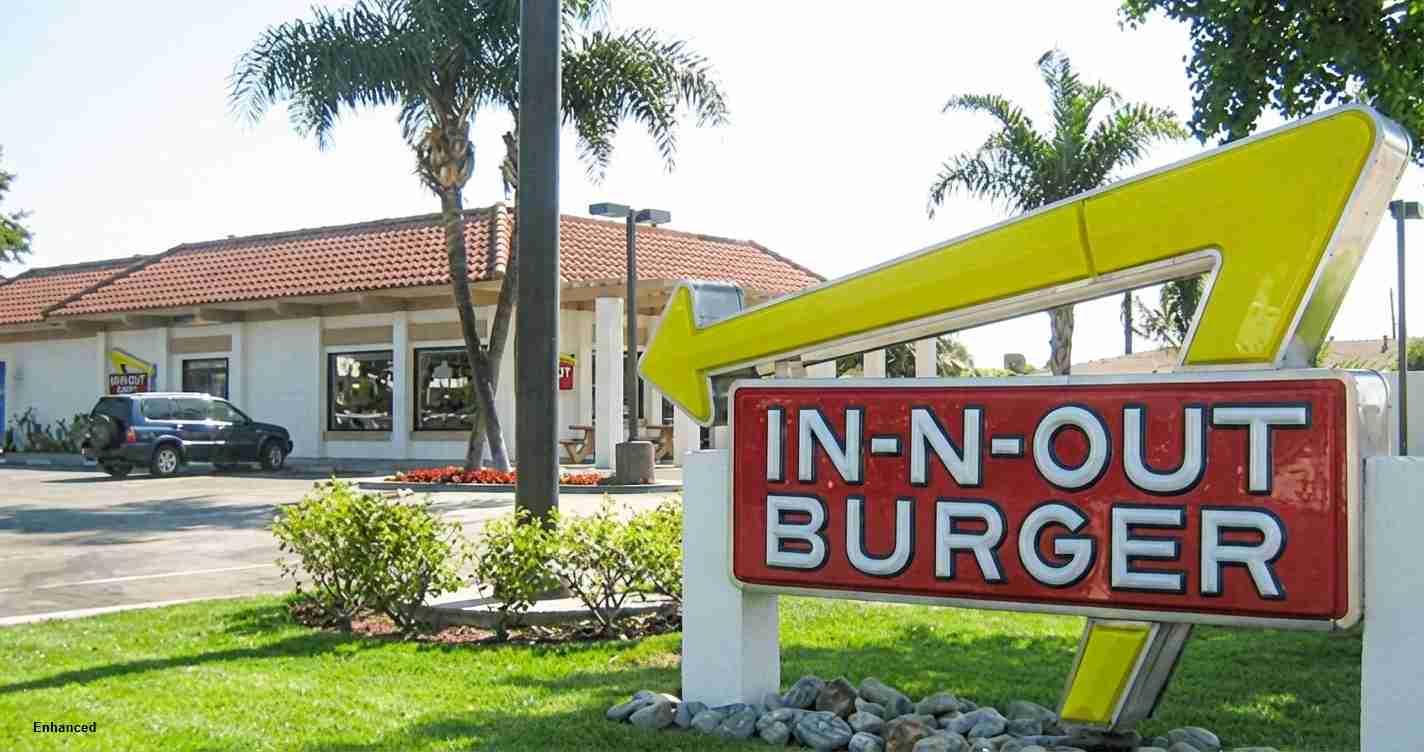
In 2025, In‑N‑Out Burger removed the number 67 from its internal ordering system after the viral “6‑7” meme spread across social platforms; an employee told People magazine the chain had earlier removed 69 for similar reasons.
- Internal change: An employee told People magazine that In‑N‑Out removed code 67 from point-of-sale and back-of-house systems in response to the viral meme.
- Precedent: The same source said number 69 had been removed previously to avoid sexual innuendo linking to the brand.
- Cultural context: The “6‑7” shorthand rose to prominence in 2025 and was tracked by outlets such as Know Your Meme.
- Corporate caution: Removing numeric codes reflects how companies manage brand risk when internet slang enters public-facing operations.
Key information and sources
Reporting for this article relied on an employee interview relayed to People magazine, public coverage of the 6‑7 meme documented by Know Your Meme, and context about corporate brand management from the In‑N‑Out Burger official site. All original facts and URLs are preserved below.
Background: What the 6‑7 meme is and why it mattered
The 6‑7 meme exploded in 2025 as users adopted “6‑7” as a playful shorthand across captions, comments and short videos. Language observers and pop-culture analysts noted how rapidly the phrase moved from niche corners of the internet into mainstream conversation.
Meme trackers and archival sites documented sharp usage spikes: creators repurposed the shorthand for jokes, merchandise and promotional remixes. That visibility made numeric codes in public-facing systems — such as restaurant ordering interfaces — more susceptible to being invoked by customers or staff.
“The shorthand moved quickly from online humor into everyday references, prompting some outlets to call it among the year’s defining internet terms.”
In‑N‑Out’s response: removing 67 (and previously 69)
According to an employee who spoke to People magazine, In‑N‑Out opted to remove the number 67 from its point-of-sale and back-of-house systems to avoid accidental or deliberate brand tie-ins with the 6‑7 meme. The employee also said the chain had earlier removed 69 for related concerns about sexual innuendo.
Company officials did not issue a public statement at the time of reporting; the employee described the change as precautionary and symbolic — an administrative adjustment intended to reduce the chance of miscommunication or perceived endorsement of viral shorthand.
Why companies make these moves
Removing a numeric code can be a low-cost risk-management step. Digital trends and memes can alter public perception quickly; what is humorous online can become awkward or controversial when associated with a national brand.
- Customer perception: Brands aim to avoid appearing to endorse slang that might alienate parts of their audience.
- Staff interactions: Eliminating codes tied to slang reduces potential for awkward exchanges during service.
- Media cycles: Responding quietly can limit amplification, but any action can also extend a meme’s lifespan through coverage.
Public and media reaction
The change trended across mainstream and social media. Reactions ranged from amusement and approval to skepticism about corporate overreaction. Analysts observed a feedback loop: coverage of meme-driven policy often prolongs the meme itself, complicating companies’ choices about public responses.
Social-media users produced jokes, remixes and commentary that further fueled online discussion; commentators praised the chain’s brand vigilance while others called the moves largely symbolic.
Attribution and sources
This story draws on an employee conversation relayed to People magazine, documentation of the meme’s rise by Know Your Meme, and contextual information from the In‑N‑Out Burger official site. Readers seeking additional context can consult those sources directly.
Implications for Utah
Local impacts in Utah are likely to be modest and primarily cultural: increased curiosity, short-term foot traffic from social-media buzz, and minimal operational disruption. The move also signals how national brands respond to internet-driven language shifts, a topic of interest in Utah’s civic and cultural conversations.
Economic impact
- Sales and traffic: Any immediate effect will likely be publicity-driven rather than materially disruptive to supply or menu operations.
- Labor and training: Managers may need only minor POS updates and brief staff notes explaining the administrative change to prevent confusion during service.
Political consequences
In Utah’s conservative context, many readers may view the adjustment as corporate caution aligned with maintaining a family-friendly environment. The action is a private business decision rather than a regulatory one, but it contributes to broader debates about how companies moderate behavior and manage cultural trends.
Social effects
Younger Utah residents, active on social platforms, will likely recognize the 6‑7 meme. Businesses that show familiarity with internet culture can appeal to younger customers while reassuring older patrons that operational standards are upheld.
For employees, removing slang-linked codes helps maintain a more professional, family-oriented workplace.
Cultural relevance
Communities that emphasize family-friendly values may welcome a brand’s decision to avoid association with slang or crude references. The episode illustrates how internet culture influences Main Street decisions and local conversations across Utah.
Practical applications for Utah residents
- Ordering and service: No menu items or prices change; missing numeric codes are administrative and staff will handle orders as usual.
- Local messaging: Managers can use the incident as a training moment about how online trends surface in the workplace.
- Consumer choice: Reactions will vary; some customers appreciate brand stewardship, others see symbolic changes as unnecessary.
Reporting note
This article is based on an employee interview relayed to People magazine and on coverage of the 6‑7 meme’s rise documented by Know Your Meme. Corporate context was referenced from the In‑N‑Out Burger official site. All original facts and URLs have been preserved.