Jake Tapper issues on-air correction after misidentifying DNC/RNC pipe bomb suspect; FBI says evidence was long in hand before 2025 arrest
CNN anchor Jake Tapper corrected himself on air after describing Brian Cole Jr. as a white man; federal officials say the FBI had built evidence in prior years that formed the basis for the Dec. 4, 2025 arrest.
Key takeaways
- On-air error and correction: Jake Tapper misidentified the suspect and immediately corrected himself when a photo of Brian Cole Jr. was shown — see the video and a Fox News clip.
- Charges and background: Brian Cole Jr., 30, is accused of placing pipe bombs outside the RNC and DNC on Jan. 5, 2021 — details in the Black Enterprise report.
- Investigation timeline: Federal officials say much of the evidence was gathered in 2021–2022 and that the arrest followed internal investigative work, not a new tip or witness (see press conference excerpts).
The initial on-air error and correction
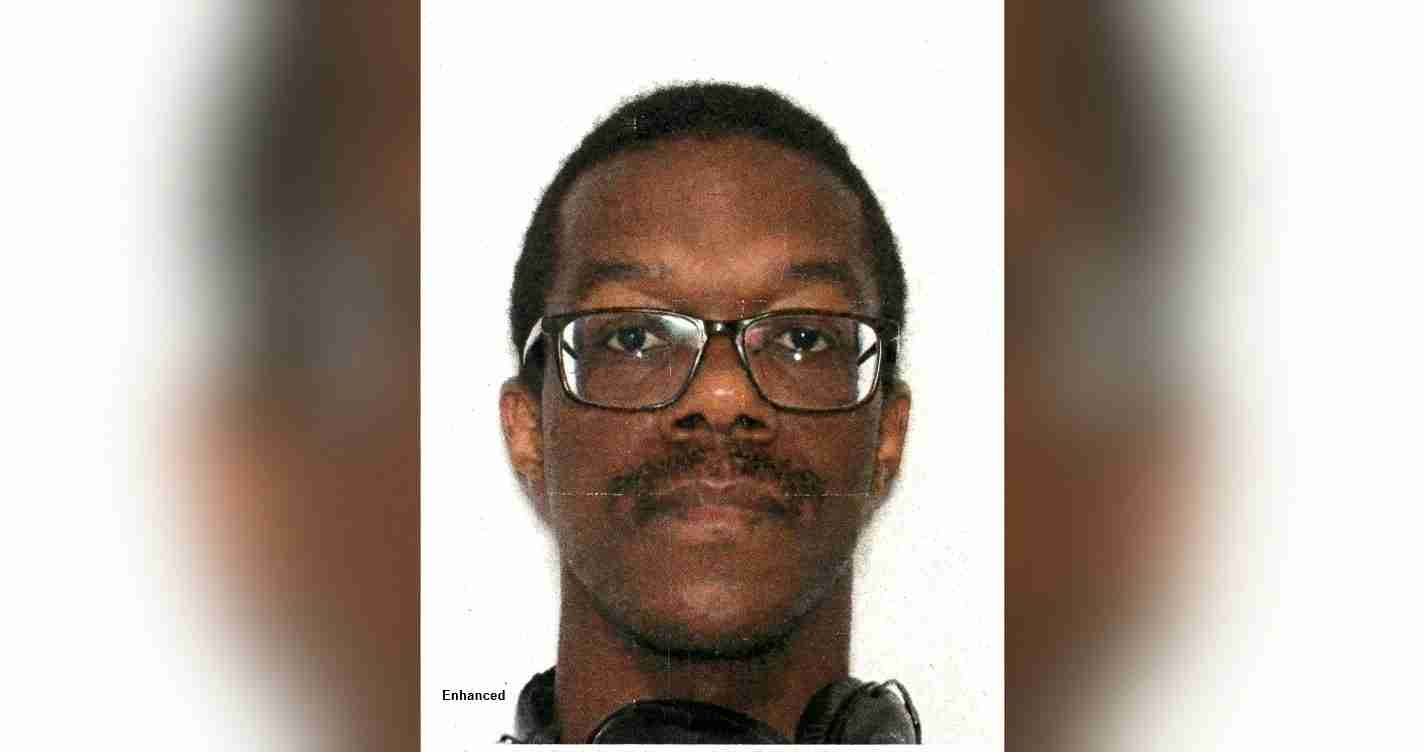
During a segment of The Lead, host Jake Tapper introduced the suspect as “a 30‑year‑old white man from the DC suburbs.” Moments later, CNN aired a photograph that clearly showed the man in the image is Black. Tapper immediately corrected the description and acknowledged the mistake live.
“We were wrong to describe him that way,” Tapper said on air, quickly amending the segment once the image was shown.
Conservative and right-leaning outlets amplified the mistake, framing it as an embarrassing error for CNN; others highlighted the network’s swift correction as responsible practice. See the video and Fox News coverage for the clip.
Who is Brian Cole Jr. and what he is accused of
Authorities identified the suspect as Brian Cole Jr., a 30‑year‑old man from Woodbridge, Virginia. Court filings and reporting describe him as Black, approximately 5’6″, and wearing corrective eyeglasses in images attached to charging documents (see the Black Enterprise report).
Public reporting notes Cole previously worked as a bail bondsman in northern Virginia and was living with family at the time of the arrest. Federal prosecutors have charged him with transporting an explosive device in interstate commerce and malicious destruction or attempted malicious destruction using explosive materials. The charges relate to two pipe-bomb devices placed outside the RNC and DNC headquarters on the night of Jan. 5, 2021; the devices did not detonate and were found the next day.
Evidence and investigative trail
Prosecutors allege the case rests on a combination of physical purchases, phone records, and surveillance. Reported purchases from 2019–2020 include items consistent with the devices — 1″×8″ galvanized pipe, end caps, 9‑volt battery connectors, kitchen timers and wire — linked to a person of interest (see the Black Enterprise report).
Phone-location data reportedly placed Cole’s cellphone near both the RNC and DNC buildings on Jan. 5, 2021. Surveillance footage and a license-plate-reader hit allegedly showed a 2017 Nissan Sentra registered to Cole passing within a half‑mile of the first on‑foot sighting of the suspect.
Important: Much of this evidence was developed in 2021 and 2022, a timeline officials say explains why related investigative files were already in FBI custody before the Dec. 4, 2025 arrest.
Arrest timing and officials’ statements
Cole was arrested by the FBI on Dec. 4, 2025, nearly five years after the devices were placed on Jan. 5, 2021. Attorney General Pam Bondi and FBI Director Kash Patel addressed the arrest at a press conference, emphasizing that investigators did not rely on a new tip or witness to make the arrest — see press conference excerpts.
Bondi said evidence had been “sitting at the FBI with the Biden administration for four long years” and described the case as having “languished.” Patel highlighted internal investigative work as key to the breakthrough. Those comments were framed by officials as critique of earlier handling; they are not independent findings verified by third parties.
Motive and statements to investigators
Court filings and reporting indicate Cole told FBI agents he believed the 2020 presidential election was “stolen” from Donald Trump — a statement federal officials say could indicate motive tied to election‑fraud narratives. Investigators recommended additional searches and warned further charges could be filed as the probe continues. Cole was expected to make an initial court appearance on Dec. 5, 2025.
Media reaction and political framing
The Tapper correction itself became a separate media story, widely carried by conservative outlets as an example of perceived media error. Critics used the incident to question CNN’s on‑air accuracy; supporters noted Tapper’s rapid correction as consistent with journalistic standards.
Statements from Bondi and Patel were emphasized in national coverage for their political implications. Their framing — that the case “languished” — has been seized upon by commentators who argue the arrest’s timing reflects broader debates over law enforcement priorities across administrations.
Implications for Utah
The arrest and surrounding coverage may resonate in Utah in several ways:
- Public safety and law‑and‑order: The case underscores federal efforts to pursue politically motivated violence linked to the Jan. 6 era, reinforcing calls for robust investigative resources.
- Political consequences: Utah Republican leaders may use Bondi’s and Patel’s remarks to press for oversight and faster action on politically sensitive investigations.
- Social effects: The suspect’s reported motive highlights lingering election distrust; local initiatives on voter education and misinformation may be amplified.
- Cultural relevance: Conservative readers may weigh the case through accountability and media‑accuracy lenses, given the Tapper correction and officials’ framing.
- Practical impact: The arrest could prompt closer scrutiny of federal case backlogs, resource allocation, and the role of political appointees in investigative priorities.
Current status and next steps
The investigation remains active. Federal officials say they may bring further charges as searches and follow‑up work continue. Investigators have stressed the evidence predates the arrest and was developed in earlier years, a point central to officials’ public statements.