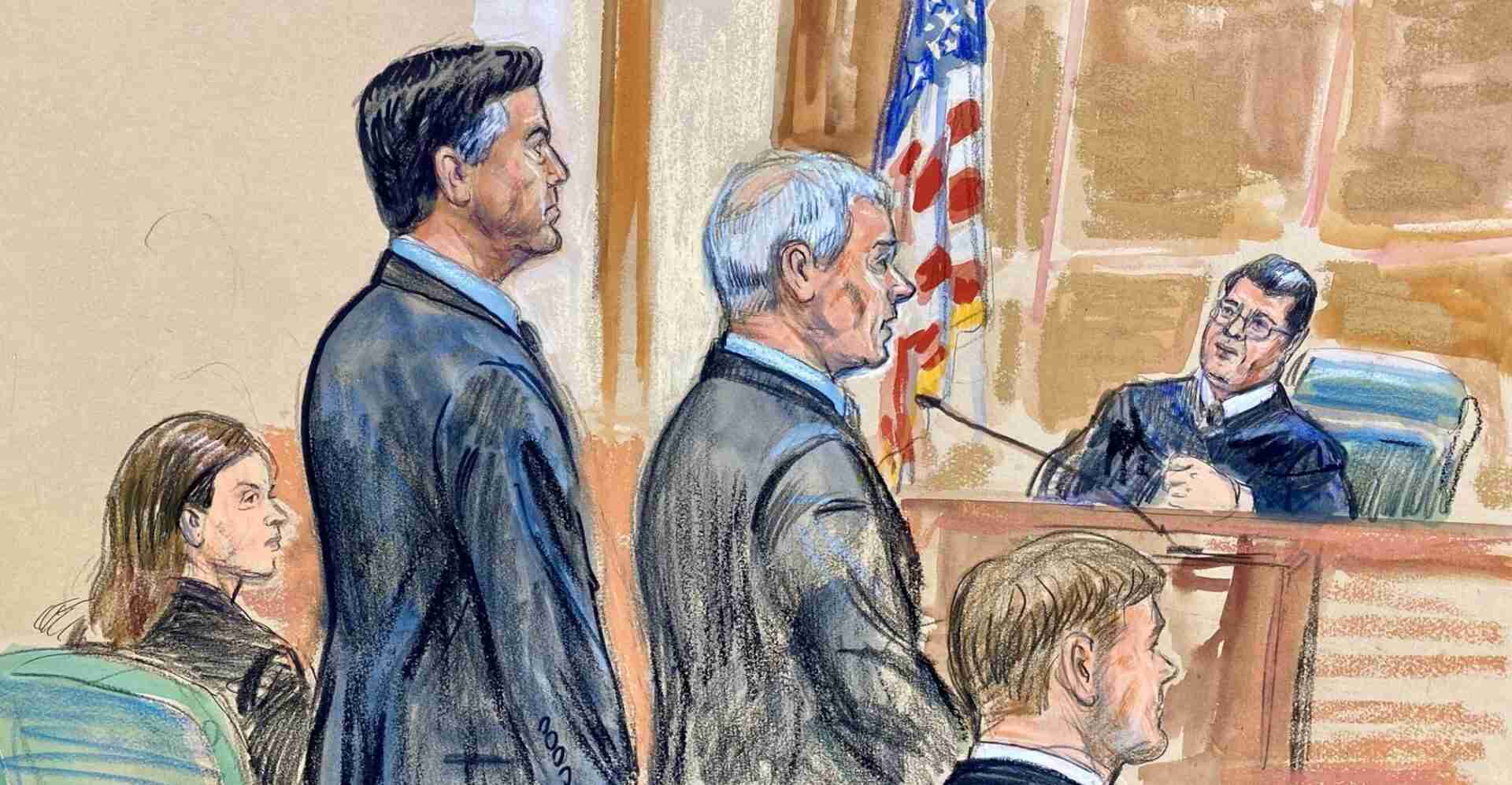
Judges’ Discovery Pressure Could Hand Trump’s Team a Setback — Evidence of Political Influence May Undermine Case Against James Comey
Judges and legal experts say President Trump’s repeated public comments and apparent political pressure could undercut the administration’s case against former FBI Director James Comey, making a selective or vindictive prosecution defense far more plausible than usual.
- Discovery could reveal White House communications and DOJ memos that bolster Comey’s selective/vindictive prosecution claim.
- Career prosecutors reportedly drafted a declination memo before leadership changes led to the indictment.
- Judges and former prosecutors say the extraordinary public statements by the president make the rare defense more viable.
- Implications extend beyond the case — raising questions about prosecutorial independence and public trust.
Indictment and charges
James Comey has been indicted on two federal counts tied to his 2020 Senate testimony: making false statements to Congress and obstructing a congressional proceeding. Prosecutors allege Comey lied when denying authorization of leaks related to the FBI’s Russia probe and that his testimony obstructed the congressional proceeding. The charges followed a leadership shift at the U.S. Attorney’s Office in the Eastern District of Virginia — a sequence critics say warrants close scrutiny given how unusual it is to indict a former FBI director. (Sources: CBS, YouTube)
Pressure from the judge on discovery — and why it matters
Multiple former judges and legal analysts told reporters that a court order compelling extensive discovery could transform this prosecution. If a judge requires the government to produce internal memos, emails, meeting notes, and records showing how the prosecution originated, Comey’s defense could use that material to argue the charges were politically motivated rather than the product of neutral law enforcement. (Sources: The Daily Beast, CBS)
“Compelled discovery into who drove the decision to charge could be pivotal,” said retired judges and former prosecutors, noting discovery can reveal whether political direction influenced charging choices.
The selective / vindictive prosecution defense — a difficult but potentially stronger claim
Proving selective or vindictive prosecution is typically hard: the defense must show others similarly situated were not prosecuted and that the choice was based on an impermissible ground like political affiliation. Yet legal commentators emphasize the extraordinary facts here — public demands from the president and abrupt leadership swaps — could make the defense far more viable than in ordinary cases. (Sources: The Daily Beast, CBS)
Presidential statements and their legal impact
Mr. Trump publicly called for criminal charges against several perceived political opponents, including James Comey. Retired federal judges and prosecutorial experts told reporters that such public pressure, especially if paired with communications showing the White House urging prosecutors, can be powerful evidence in court that charging decisions were politically motivated. They warn that apparent presidential targeting undermines both the appearance and reality of prosecutorial independence. (Sources: The Daily Beast, CBS)
Prosecutorial resistance and internal DOJ dissent
Reporting indicates career prosecutors in the Eastern District of Virginia drafted a declination memo advising against charging Comey. If produced in discovery, that memo and internal records would show experienced prosecutors concluded there was not a proper basis to indict before leadership changes led to charges. Critics argue this sequence raises questions about whether political considerations, not legal merit, drove the decision to prosecute. (Source: CBS)
Legal experts weigh in: rare defense, stronger facts
Multiple judges and former prosecutors described the facts as extraordinary, changing the usual calculus for selective or vindictive prosecution claims. Gene Rossi, a former Justice Department prosecutor, noted that the record of presidential demands and leadership swaps could make Comey appear to be a politically targeted defendant. Retired judges suggested the evidence might give Comey’s lawyers a “fighting chance.” (Sources: The Daily Beast, CBS)
How discovery could shape the trial
Discovery — the exchange of evidence and documents — is central here. Defense lawyers will likely press for emails, meeting notes, memos, and internal DOJ analyses that indicate who decided to pursue charges and why. If judges compel production of communications between the White House and prosecutors or of memos recommending declination, that material could be used to challenge the motives behind the Comey indictment. (Sources: The Daily Beast, CBS, Brennan Center)
Comey’s response and public stance
James Comey has pleaded not guilty and says he intends to fight the charges, maintaining his 2020 testimony was truthful and asserting the prosecution is politically driven. His public statements and court filings will form part of the defense strategy, which appears poised to use discovery to highlight any evidence of political interference. (Source: YouTube/CBS reporting, CBS)
Broader concerns about prosecutorial independence
Legal scholars warn the case could test the limits of prosecutorial independence. The Brennan Center argues the indictment highlights the danger of prosecutors becoming subservient to political leaders, eroding public trust. If courts find improper political influence in charging decisions, it could prompt reforms in how such cases are handled and how judges police the divide between politics and law enforcement. (Source: Brennan Center)
Implications for Utah
Economic impact: Utah’s economy is unlikely to be directly affected by this federal criminal case. However, perceptions of politically motivated, high-profile prosecutions could influence investor confidence and business sentiment nationwide—potentially raising costs for Utah firms that depend on predictable legal and regulatory systems in sectors like technology and defense contracting.
Political consequences: Utah’s conservative voters and elected officials may face pressure to respond, balancing support for a president with defense of the rule of law. Federal lawmakers from Utah could push reforms to insulate prosecutors from political pressure depending on how discovery unfolds.
Social effects: Allegations that prosecutions are politically driven can fuel distrust in government and courts, deepening partisan divides in Utah communities that value civic institutions and fair play.
Cultural relevance: Utah voters who prize integrity and respect for institutions may be particularly sensitive to signs that a former president’s statements and pressure undermined a high-profile prosecution.
Practical applications for residents: Utahns who serve on juries, work in law enforcement, or engage with federal agencies may see increased calls for transparency in charging decisions. Local legal groups and civic organizations could host forums explaining federal prosecution processes, and state lawmakers might consider measures to document and protect charging decisions.
Sources for potential linkbacks
- The Daily Beast: Judges reveal how Donald Trump’s ‘big mouth’ could blow up his case against James Comey
- CBS News: Trump attacks on Comey and leadership shifts in Virginia prosecutors’ office could undermine case
- Brennan Center: Comey indictment shows danger of subservient prosecutors
- Video of Comey plea and remarks